Unconventional Invertebrate Core
Eusocial Systems for Aging Research
The Unconventional Invertebrate Core develops and provides access to understudied but extremely promising invertebrate eusocial systems for aging research. Our focus on social insects provides unique insights into how social organization, caste systems, and environmental factors influence aging and longevity.
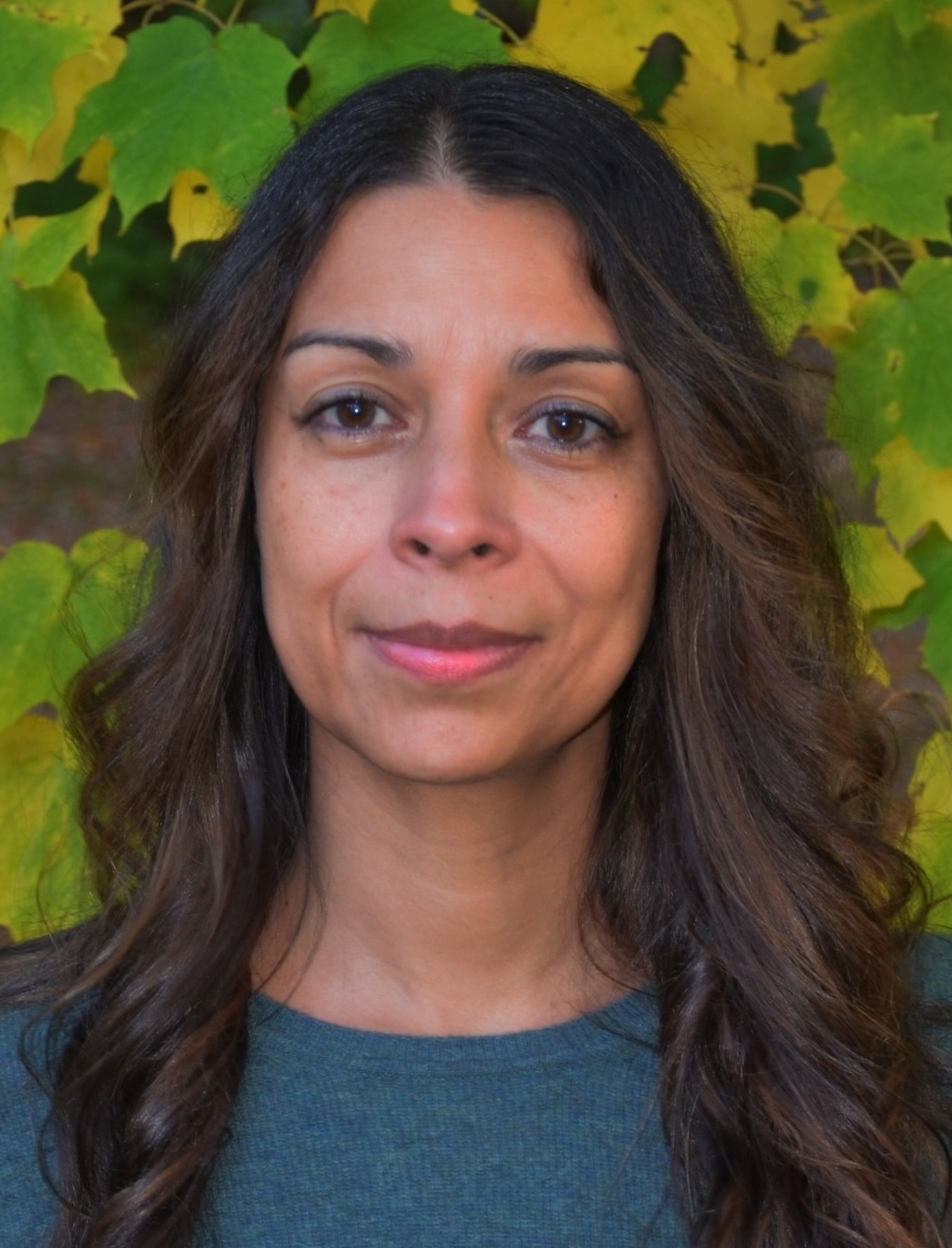
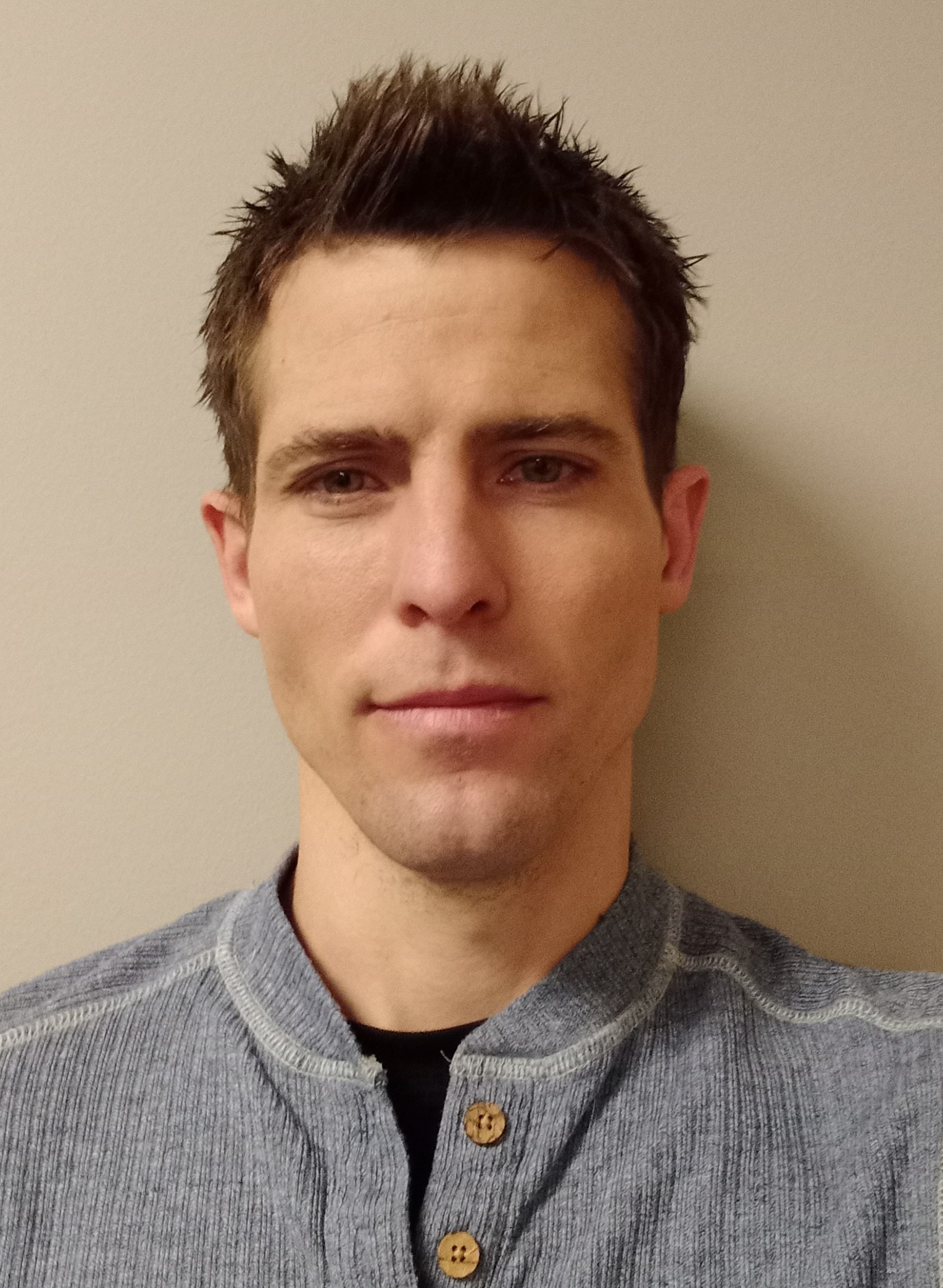
Core Members
Eusocial Model Systems
Social Wasps (Vespidae)
Key species: Polistes fuscatus, Xenos peckii
Unique characteristics:
- Annual colonies with distinct caste systems
- Differential aging between queens and workers
- Social regulation of reproduction and lifespan
- Environmental plasticity in aging patterns
- Infected by parasites that manipulate longevity and health
Research applications: Social regulation of aging, caste-specific senescence, environmental effects on longevity, manipulation of longevity by parasites
Ants (Formicidae)
Key species: Harpegnathos saltator, Ooceraea biroi
Unique characteristics:
- Extreme lifespan differences between castes
- Plastic aging dependent on social role
- Epigenetic regulation of caste determination
- Colony-level aging dynamics
Research applications: Epigenetic aging, social plasticity, caste biology, colony demographics
Research Focus Areas
Social Regulation of Aging
- Caste-specific aging patterns
- Social environment effects on lifespan
- Behavioral regulation of senescence
- Colony-level aging dynamics
Epigenetic Mechanisms
- DNA methylation and aging
- Histone modifications
- Caste determination pathways
- Environmental epigenetics
Comparative Genomics
- Species-specific aging signatures
- Evolution of longevity mechanisms
- Phylogenetic analysis of aging genes
- Social evolution and aging
Environmental Plasticity
- Seasonal aging patterns
- Nutritional effects on longevity
- Temperature and aging interactions
- Social stress and senescence
Core Services
Study Design Consultation
- Experimental design for social insect aging studies
- Species selection guidance
- Colony management protocols
- Statistical analysis planning
Sample Collection
- Age-graded tissue samples
- Caste-specific specimens
- Developmental stage series
- Environmental treatment samples
Omics Data Generation
- Whole genome sequencing
- Transcriptome analysis
- Proteome profiling
- Metabolome characterization
Cell Line Development
- Primary cell culture establishment
- Immortalized cell line development
- Species-specific culture protocols
- Cell line characterization
Available Resources
Genomic Resources
Available datasets:
- Reference genomes for key species
- Transcriptome assemblies
- Gene annotation databases
- Comparative genomics tools
Access: Public databases and custom analysis pipelines
Proteomic Data
Protein expression datasets:
- Caste-specific proteomes
- Age-related protein changes
- Tissue-specific expression data
- Post-translational modifications
Format: Processed data matrices, raw mass spectrometry files
Biological Samples
Sample types:
- Frozen tissue samples
- RNA and DNA extracts
- Protein lysates
- Fixed specimens for histology
Collection: Custom sampling protocols available
Collaboration Opportunities
New Species Development
- Collaborative establishment of new model systems
- Species-specific protocol development
- Comparative studies across taxa
- Method standardization efforts
Technology Development
- Advanced imaging techniques
- Single-cell analysis methods
- Epigenetic profiling tools
- Behavioral monitoring systems
Resource Access Process
Step 1: Project Discussion
Contact the core leader to discuss your research interests and determine the most appropriate invertebrate model system for your studies.
Step 2: Protocol Development
Work with our team to develop species-specific protocols and experimental approaches tailored to your research questions.
Step 3: Resource Provision
Access samples, data, or live colonies based on your approved research plan. Training and ongoing support provided as needed.
Step 4: Data Sharing
Generated data will be made available to the broader research community following publication or after appropriate embargo periods.
Contact Information
Get Started
For research inquiries:
Floria Uy, Ph.D. (floria.uy@rochester.edu) and Karl Glastad, Ph.D. (kglastad@ur.rochester.edu)
For data access:
Contact us for access to genomic and proteomic databases
For collaboration opportunities:
We welcome partnerships for developing new invertebrate aging models